
Rental Tax StrategiesThe loss the return can use
One set of keys is one property, and the first question is whether this year's loss reached your return or sat on the schedule doing nothing. That answer comes first. A study, a title or an entity letter waits for it. Steven Palmieri keeps the books, prepares the return, and plans the year around the loss the return can actually use.
The rental year on this address is read by Steven Palmieri, Tax CFO.


Name the stay and the year

You will be talking to the Steven Palmieri practice.
When a loss does nothing
You kept every receipt, the schedule shows a loss, and the return owed the same as last year. The passive rules held it. We say whether that is this year's story before anyone sells you a study.
Click to see the usable loss ›Tap to see the usable loss ›
Depreciation you skip
The basis still falls when the line is left off.
Click to see the missing line ›Tap to see the missing line ›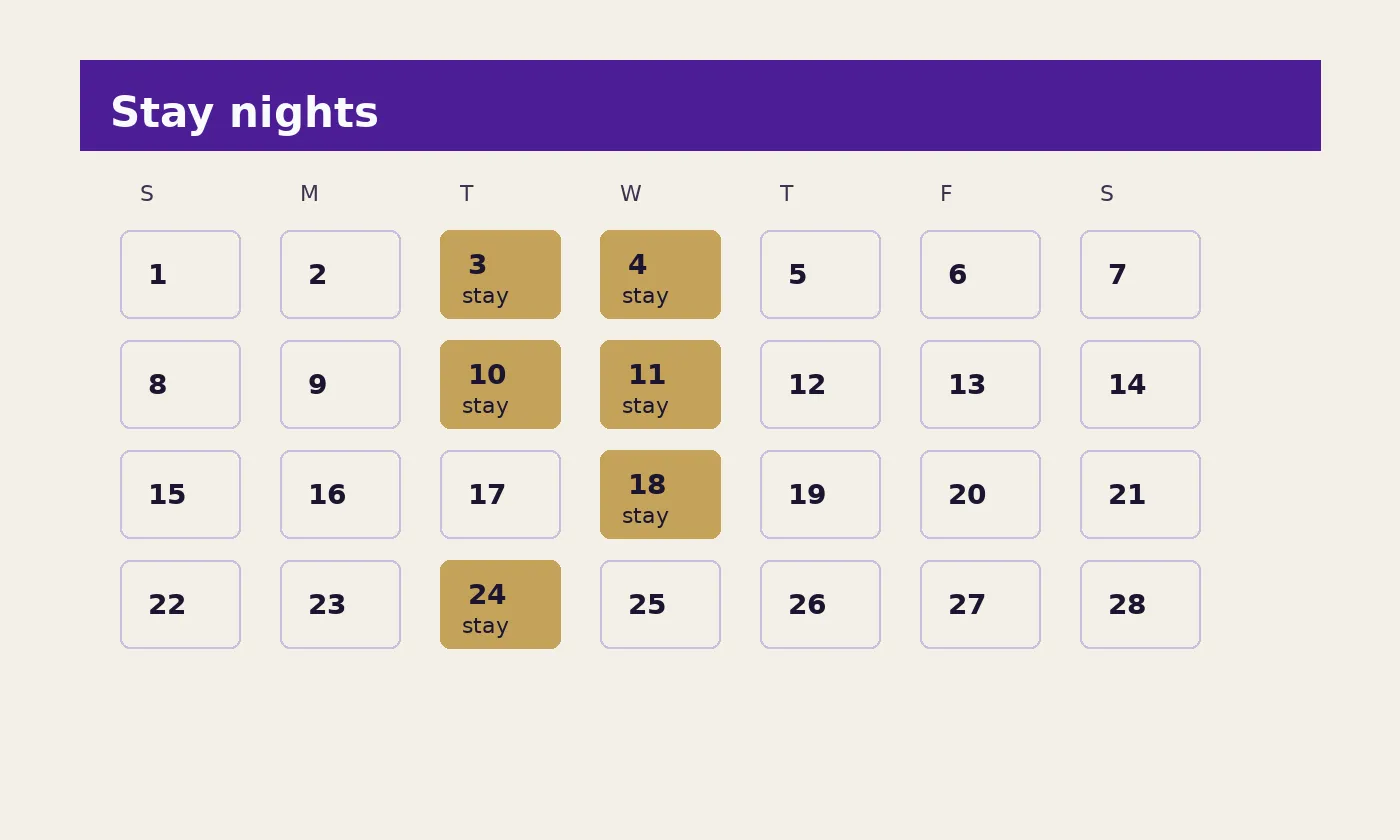
Nights you stayed
Count the nights before the loss is treated as fully rental.
Click to see the night count ›Tap to see the night count ›A roof is a question
A receipt that says repair can still be an improvement.
Click to see the repair question ›Tap to see the repair question ›
A study changes timing
A bigger paper loss waits when the return cannot use it.
Click to see why a study waits ›Tap to see why a study waits ›Hours, not a title
Hours are a log. We do not award the title.
Click to see the hours test ›Tap to see the hours test ›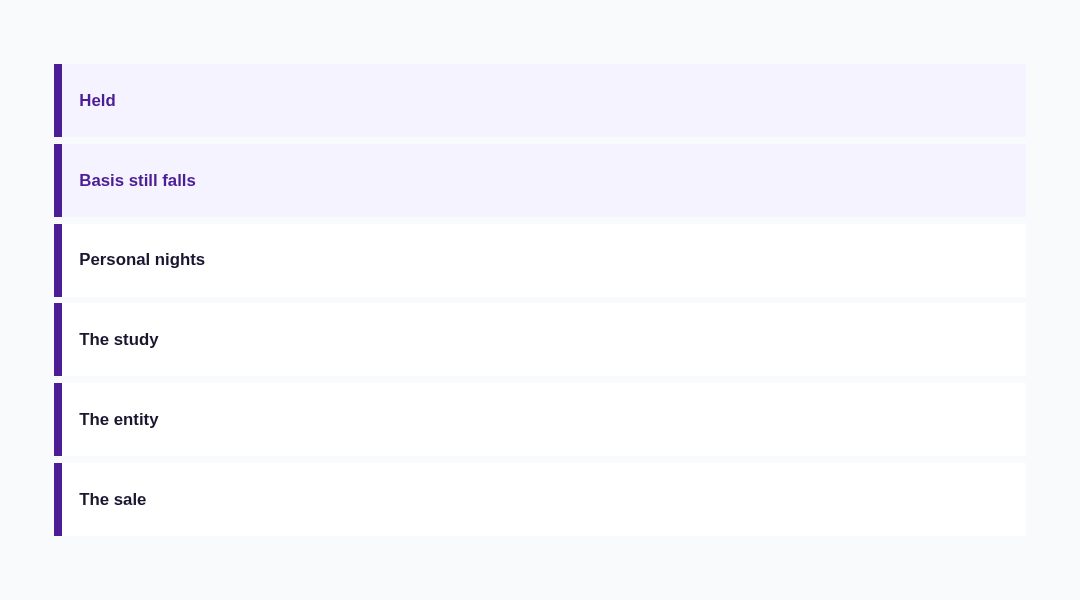
Six stops before a rental loss is called a strategy
Open one card.
1The rental showed a loss and the return you filed did not move.
We separate the paper loss from the part the return can use.
A larger loss on a spreadsheet does not help when the passive rules are holding it.
2Depreciation was left off last year to keep the loss smaller.
We look for the missing line before anyone talks about a refund.
Basis still falls by the depreciation you were allowed to take, even when the return skipped it.
3You stayed in the house and nobody counted the nights.
We count nights before a loss is treated as allowed.
Personal use past the statutory test can turn the dwelling into a residence and cap what you deduct.
4A new roof was entered as a repair because the receipt said repair.
We name the question the regulations actually ask.
A receipt's wording does not decide whether the cost is recovered this year or over the life of the building.
5A study was offered that would make the paper loss much bigger.
We ask first whether this year's return can use any loss at all.
Changing the timing of depreciation does not unlock a loss the passive rules are holding.
6A sale is possible and the basis still reflects depreciation.
We put the sale question next to the basis, not next to a guess.
Depreciation you could have taken reduces basis. A sale can feel that reduction even when a study was never ordered.
Why the return can ignore a real loss
Open one stop. Each card says what we do with that fact and why the return may still ignore a bigger paper loss.
Owners meet this in a quiet afternoon with last year's return on the table. The rental lost money after depreciation. The wages line on the return looks the same as it would have without the house. The disappointment is ordinary, and it is not a failure of nerve. The passive activity rules can hold a rental loss away from wages and other nonpassive income.
Publication 925 is the federal map for that hold. A rental is passive even when you materially participate, unless a separate test for real estate professionals is met. There is also a narrower door called active participation, which can allow a deduction of up to 25,000 dollars against nonpassive income. That allowance can shrink as income rises. The phaseout arithmetic stays in the publication. We do not reprint a table that a later form could move.
So the first sort is not a product name. Usable this year. Held by the passive rules. Personal use of the house. A study, a professional title, or an entity letter comes after the pile is known. Naming the product first is how a larger paper loss gets sold to someone who still cannot use it.
Each month the bank is tied to the statement and the rent is separated from transfers you made yourself. That rental tie-out, rent on one side and your own transfers on the other, is the only pile the return is built from. Steven Palmieri holds the Tax CFO title and the Entrepreneur's CFO title on that rental close. The plan for the year is whether a cost you are about to incur can change a year the return can actually use.
What a closed month changes

A rental's month is closed when the bank ties to the statement, the rent deposits are rent and not a transfer you made yourself, and the mortgage, tax, and insurance payments are in the right places. Escrow is a common miss. The lender statement can show tax and insurance paid out of escrow while the books show only the interest. Those amounts belong on the rental schedule when they were disbursed.
Closing costs and loan costs are another quiet miss. Some of what you paid at the purchase is added to basis. Points and certain loan costs are recovered over the life of the loan, not dropped into this year's repairs. No dollar amount on this page splits a repair from an improvement, because that line is not ours to invent. We ask what the closing statement called the charge, and then we say which question that charge raises.
Payroll is rare here. If the property has employees, we set a provider up so you can run payday. We do not run payday. Most long stay rentals never reach that question, and we do not invent employees to make the file look busy.
The statements from a closed month are what the return stands on. A download of the bank, with a guess on top, is not a close. If the year is still open, a project you have not started can still be timed. If the year is closed, the conversation is about what the return can support, not about a wish for a different December.
The sale, the entity, and the short stay
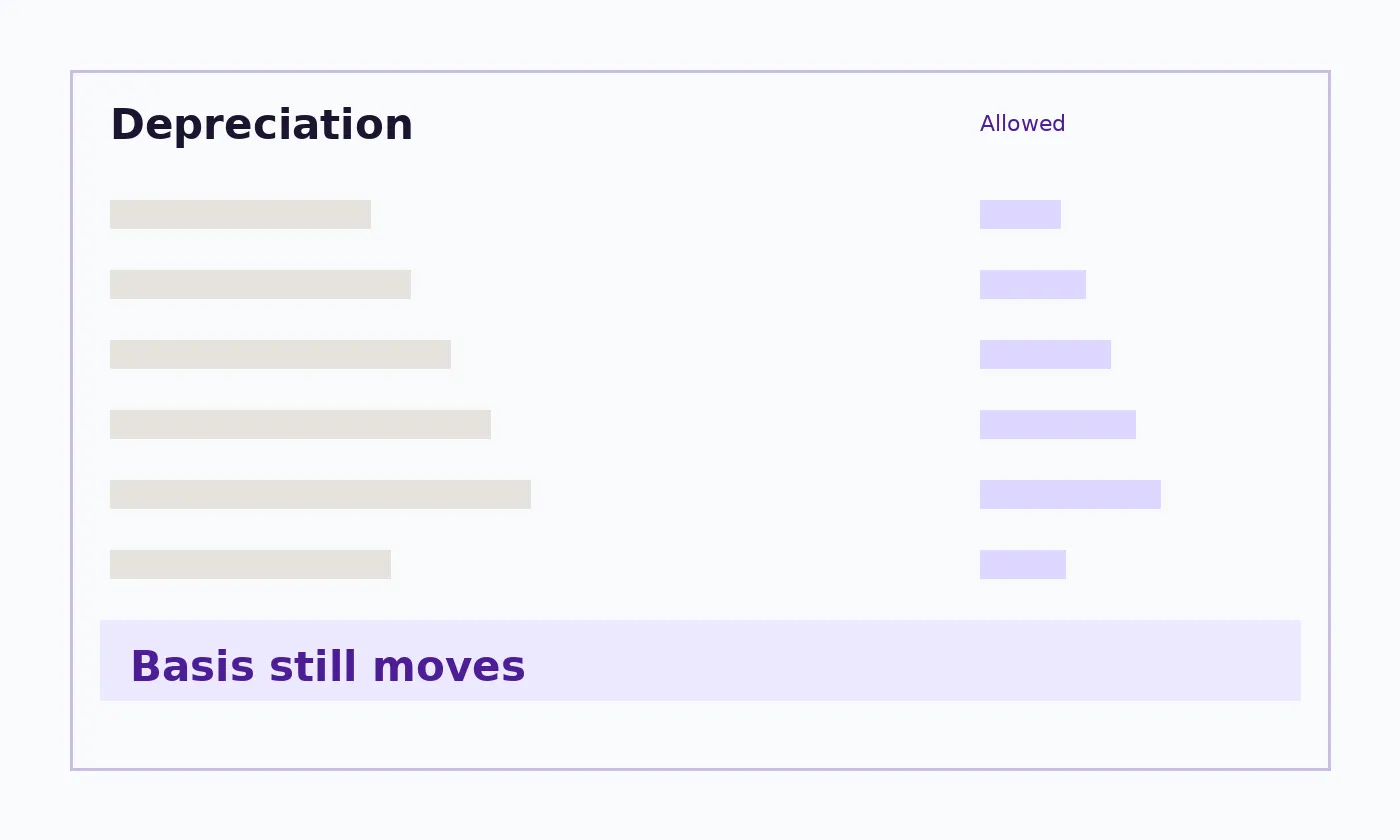
A sale does not start from a fresh price. Basis has already been reduced by depreciation you were allowed to take, including depreciation you skipped. Suspended losses that the passive rules have been holding can be released when the activity is fully disposed of in a taxable sale. An exchange or an installment arrangement is a different shape, with deadlines a qualified intermediary or the form instructions govern. We do not compute a tax on a sale from memory, and we do not assume a sale is even planned.
If an LLC holds the house, the first federal question is how that LLC is classified. A one-owner rental that the IRS treats as disregarded shows up on the owner's own return. A partnership files a separate return and sends a K-1. The formation letter does not erase the rent or turn a passive loss into wages. We read the letter. We do not treat the initials on the deed as a strategy.
Short stays are a different reading, and they are still federal. An average stay of seven days or fewer can change how the passive tests apply when you materially participate, and substantial services can move an activity toward a trade or business schedule. Nights you or your family stayed still matter. This site does not teach an occupancy tax. If a platform pays you, say so. We stay on whether the loss can be used.
Inherited property is its own basis question. The starting point is the value at death, not a later refinance appraisal and not what the decedent paid decades ago. We ask for the documents that show the date and the value. We do not invent a number to make the depreciation line look neat.
What we will say out loud
We will say when a study is early. A cost segregation study can move some of a building's cost into shorter lives, and bonus depreciation can change the year of that recovery. Neither one makes a held passive loss usable. If usability is closed, the study can wait, and we will say so before anyone orders it. We do not perform the study and we do not quote a savings percent.
We will not award real estate professional status. The tests are more than half of your personal services in real property trades or businesses you materially participate in, and more than 750 hours of those services. Bring a log if one exists. A business card is not a log.
Attest work sits outside this practice. A signed audit report, a review report, or a compilation is produced by a firm that exists to issue that paper, and this rental address does not produce it. Disclosures names the rental papers this address will not sign. You can leave with the two lines, the paper loss and the usable part, and hire no one.
We start on a video call with the books open and a time you chose. The deed can name whatever state the house is in, and the call is still on video. April, June, September, and January estimates do not move because the house moved. What changes from one owner to the next is the property, the nights, and whether the loss was held.
From Steven Palmieri.

Tax CFO for one rental's year.
What the two titles cover
Tax CFO and the Entrepreneur's CFO are the two titles on this work. Steven Palmieri closes the month, prepares the return from that close, and names a decision while the year can still use it.
Send one property's year
You will be talking to the Steven Palmieri practice.